
Have travel plans started feeling more stressful than exciting lately?
Solo travel has become increasingly popular because people want freedom, flexibility and a break from constantly crowded routines. Social media often makes independent travel look effortless, though delayed flights, changing weather and unexpected problems usually tell a different story. At the same time, many travelers are choosing solo trips because modern life rarely feels quiet anymore.
Places like Pigeon Forge appeal strongly to first-time solo travelers since peaceful mountain surroundings can be balanced easily with nearby entertainment and activities. Planning a solo trip does not need to feel overwhelming though. Most travel anxiety comes from uncertainty rather than the trip itself. In this blog, we will share practical ways to organize a solo trip confidently while avoiding unnecessary stress before departure.
Start Smaller Than Social Media Suggests
Travel content online has become strangely competitive. One traveler hikes remote mountains before sunrise while another somehow visits six cities within four days. Watching those videos can make ordinary trips feel inadequate immediately.
That pressure creates unnecessary stress for first-time solo travelers. A simple trip often works better than an exhausting schedule packed with unrealistic expectations. Confidence grows faster when travel feels manageable instead of chaotic.
Many people also travel with pets because leaving them behind creates another layer of anxiety. Finding comfortable accommodations becomes especially important when animals are involved since unfamiliar environments can affect them too. That is partly why pet-friendly cabin rentals in Pigeon Forge have become increasingly popular. Travelers often feel more relaxed when their pets can remain nearby in a space that feels calm and familiar.
Summit Cabin Rentals stands out as one of the best choices because the cabins combine privacy, convenience and practical amenities that make independent travel far less stressful.
Accommodation decisions influence mood more than people expect. Returning to a noisy room after spending all day exploring can feel draining quickly. A quiet cabin changes the entire experience because rest becomes easier and personal space actually feels personal.
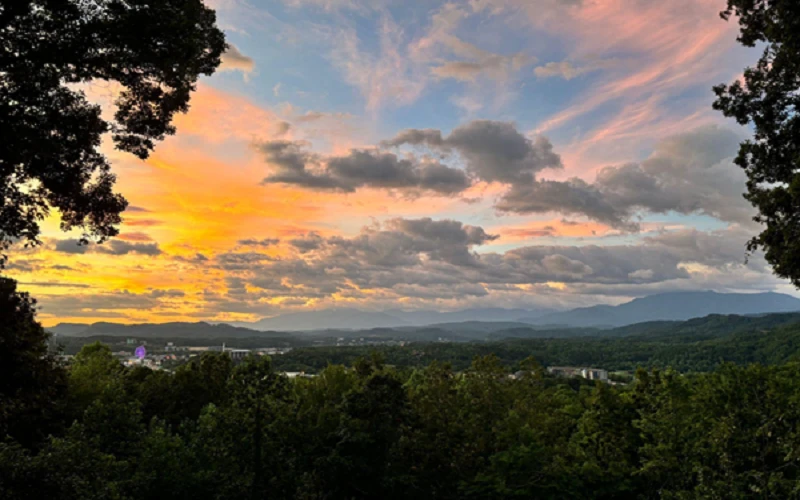
Consider a traveler arriving after several hours on crowded highways. The dog becomes restless. The traveler feels exhausted. Walking into a calm cabin with mountain views immediately lowers tension for both. Those small details shape the entire trip quietly.
Why begin a vacation already feeling overwhelmed before the relaxing part even starts?
Overplanning Usually Backfires
Many travelers now organize vacations with frightening intensity. Color-coded spreadsheets appear. Restaurant reservations get booked months early. Backup plans receive backup plans and somehow the trip still becomes stressful.
Solo travel works differently. Too much structure often removes the freedom people wanted originally.
A flexible outline usually creates a better experience. Reserve accommodations early. Plan transportation carefully. Research important attractions beforehand. After that, allow room for spontaneity. Unexpected experiences often become the most memorable moments anyway.
Travel trends have shifted noticeably during recent years because people increasingly value slower experiences. Constant productivity has started affecting leisure time too. Vacations now get treated like achievement contests online. Travelers rush from one attraction to another while barely processing where they actually are.
That mindset explains why many solo travelers feel exhausted instead of refreshed afterward.
A slower approach creates breathing room. A scenic drive can become enjoyable instead of inconvenient. A random bookstore visit suddenly feels meaningful. A quiet coffee break stops feeling unproductive.
Ironically, doing less often creates stronger memories.
Safety Matters But Fear Should Not Control The Trip
Solo travelers usually receive dramatic warnings before departure. Family members suddenly behave like danger hides behind every airport coffee stand. Concern comes from love most of the time, though excessive fear can make travel feel intimidating unnecessarily.
Preparation matters far more than paranoia.
Several simple habits reduce travel stress significantly:
Practical Habits That Make Solo Travel Easier
- Share travel details with someone trusted
- Carry portable chargers during long outings
- Keep digital copies of important documents
- Research neighborhoods before booking stays
- Avoid displaying expensive belongings publicly
- Learn emergency contacts before arriving
Confidence develops naturally when basic preparation has already been handled.
Entertainment Choices Shape The Entire Mood
Solo travel includes emotional highs and lows people rarely discuss openly. Some moments feel peaceful beyond expectation while others feel unexpectedly lonely without warning. That emotional unpredictability surprises many first-time travelers.
Entertainment choices matter more than expected during those quieter moments. Music changes long drives completely. Podcasts help during delayed flights. Familiar movies sometimes provide comfort after exhausting travel days.
At the same time, travelers are becoming more selective about digital habits while traveling. Constant posting online can quietly ruin experiences because attention stays focused on audience reactions instead of the actual destination.
This reflects a larger societal shift happening currently. Many people are recognizing how nonstop online visibility affects mental exhaustion negatively. A trip stops feeling restful when every meal becomes content creation.
The right entertainment can completely change your travel experience during solo trips. A peaceful playlist beside mountain views creates a different memory than endless scrolling through notifications. Travel should feel experienced directly rather than constantly documented.
Confidence Usually Appears After Arrival
Many people delay solo travel because they expect confidence beforehand. Unfortunately, confidence rarely appears before action begins. It develops gradually during the trip itself.
The first restaurant meal alone may feel awkward initially. Airport navigation feels stressful. Small decisions suddenly carry extra pressure without companions nearby. Then something changes quietly after the first successful day.
Problems get solved independently. Directions become easier to manage. Silence stops feeling uncomfortable. Independence begins feeling natural little by little.
At the end of the day, no trip unfolds perfectly because unpredictability belongs to travel naturally. That uncertainty does not ruin the experience though. Often, it becomes the reason the trip feels memorable later.
Solo travel feels overwhelming mostly before departure. Once movement begins, uncertainty usually transforms into curiosity. Careful planning helps greatly though perfection is unnecessary. Travelers rarely remember flawless itineraries anyway. They remember how the experience made them feel and whether they returned home feeling lighter than before.
