
There is a particular kind of frustration that only shows up once you are already out there. Something you meant to pack, a detail you assumed was handled, a piece of gear that turns out to be wrong for the conditions. It does not ruin everything, but it sits in the background of every decision for the rest of the trip.
Most of what makes a hunting camp work well gets decided before you leave. The time spent preparing, choosing the right equipment, thinking through what the days will actually look like, that is where the trip is either set up properly or quietly undermined.
Choosing the Right Shelter for Your Hunting Camp
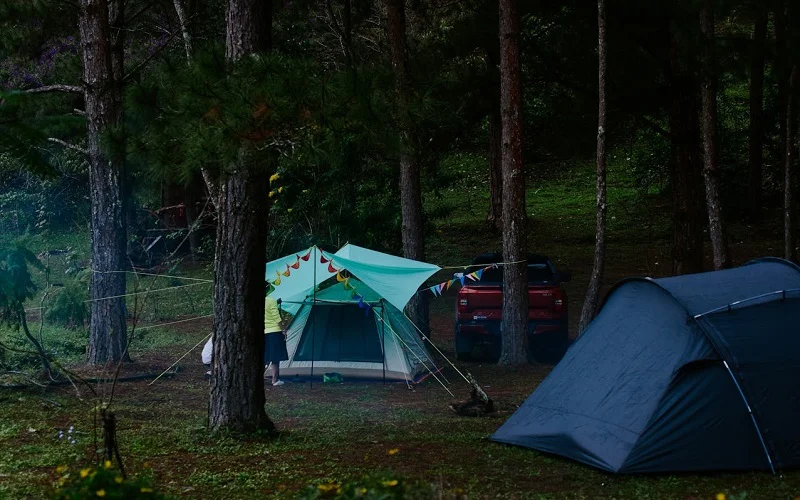
Shelter tends to be where people either get it right or spend the rest of the trip compensating. A tent that leaks, holds cold, or takes too long to set up after a long day in the field creates a problem that does not go away on its own.
Canvas wall tents have stayed popular among serious hunters for reasons that become obvious once you have used one. They handle weather in a way that lighter options do not, hold heat better when a stove is running inside, and tend to last across many seasons rather than just a few. If you are still working out what setup makes sense, Wall Tent Shop carries canvas tents alongside the frames, stoves, and accessories that go with them, which makes it easier to figure out what you actually need rather than piecing things together from different places.
Before settling on anything, think through the basics. How many people are sharing the space, how cold the nights are likely to get, and whether you will need room for gear storage inside. A shelter that fits the actual conditions of the trip is worth more than one that looked good in a review.
Sleeping Gear That Keeps You Rested
Rest is what determines how the next day starts. A sleeping bag that is not rated for the actual temperature, a setup that puts you directly on cold ground, these things do not feel like a big deal until two in the morning when you have been awake for an hour and need to be up before dawn.
A sleeping bag matched to the expected low temperature, paired with a pad or cot to create some separation from the ground, covers most situations. Testing the setup before the trip matters more than people think. Finding out something is wrong at home is a different problem than finding out in the field.
Navigation and Safety Tools
Unfamiliar terrain looks different in low light than it does at midday, and different again when the weather closes in. A map, a compass, and a GPS device together cover what any single one of them might miss. Trusting one method without a backup is a habit that tends to be fine right up until it is not.
A headlamp with fresh batteries belongs in the pack regardless of when you expect to be back. Early mornings and late returns are both part of most hunting trips. A basic first aid kit handles the small things before they become bigger ones. Minor injuries are easier to manage when the kit is already there.
Hunting Equipment and Storage
The core gear should be checked before leaving, not on the morning of departure. Firearm or bow in proper working condition, ammunition, all permits and tags accounted for. These are the details that do not have a workaround once you are already out there.
Storage matters on both ends. Keeping gear dry and organized during the trip, and having what is needed for processing after a successful hunt. Game bags, a reliable knife, a clean surface for handling meat. Thinking through the post-hunt side of things in advance makes it considerably less complicated when the time comes.
Camp Comfort and Organization
Organization in a camp is one of those things that does not announce itself when it is working. Everything is where it should be, the day moves without interruption, and you stop thinking about the setup entirely. When it is not working, you notice it constantly.
A few simple additions change that. Somewhere to sit at the end of the day, a surface for food and gear, bins that keep things separated and dry. None of it is complicated. It just requires thinking about it before the trip rather than improvising once you are already there. A camp that is easy to move through is also considerably easier to break down when it is time to leave.
Communication and Backup Plans
Remote areas have a way of making ordinary problems more complicated. A two-way radio or satellite phone covers the situations where a regular signal is not an option.
Letting someone know the plan before leaving is a habit worth keeping. Location, expected return, who to contact if something goes wrong. It takes a few minutes and changes what is possible if a situation develops that requires outside help. Backup plans are not pessimism. They are just part of being prepared in places where the margin for error is smaller.
A hunting camp that comes together well tends to fade into the background of the trip. The gear stops being something you think about, and the focus shifts to what you came out there for. That transition, from managing logistics to being fully present in the field, is quiet when it happens. You just notice at some point that nothing is getting in the way.
It does not happen by chance. It comes from decisions made before any of it began, most of them small, none of them particularly difficult. The preparation is what the trip is built on, even when it becomes invisible once you are out there.
