
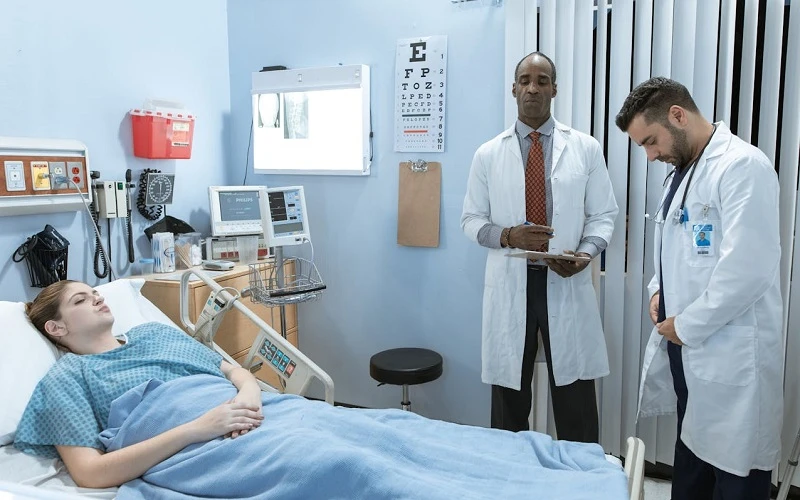
Getting a doctor’s appointment used to feel simple for many families. Today, that experience looks very different. Patients are waiting weeks or even months to see a primary care provider, especially in smaller towns and rural areas. Many clinics are short-staffed, healthcare workers are stretched thin, and communities across the country are feeling the pressure.
Primary care plays a major role in keeping people healthy. These providers help patients manage long-term conditions, catch health problems early, and guide families through everyday healthcare needs. As America’s population grows older and healthcare demands continue to increase, the shortage of primary care providers has become a growing concern.
At the same time, healthcare is changing quickly. New care models, better technology, and expanding healthcare roles are helping improve patient access. While the shortage remains serious, healthcare systems are working hard to create solutions that better support both patients and providers.
Why Primary Care Matters More Than Ever
Primary care is often the first step in a patient’s healthcare journey. Whether someone has a fever, needs help managing diabetes, or wants a yearly wellness checkup, primary care providers are usually the people patients turn to first.
These healthcare professionals do much more than treat illness. They focus on prevention, education, and long-term care. Regular checkups and screenings help detect health issues before they become severe. This approach helps patients stay healthier and can reduce expensive hospital visits later on.
Strong primary care systems also improve overall community health. Patients with access to consistent care are more likely to manage chronic conditions successfully and follow healthier habits. This is why advanced practice nursing has become especially valuable — nurse practitioners and clinical nurse specialists work directly alongside physicians to deliver primary care, taking on their own patient panels, managing chronic disease, and providing preventive services in underserved communities where physician access is limited.
What Is Causing the Provider Shortage?
There is no single reason behind America’s primary care shortage. Several challenges are happening at the same time, making the problem more difficult to solve.
One major factor is the aging population. Older adults often require more medical care, regular monitoring, and ongoing treatment for chronic illnesses. As more Americans reach retirement age, the demand for healthcare services continues to rise.
At the same time, many physicians are also nearing retirement. Large numbers of experienced healthcare providers are leaving the workforce faster than new providers are entering it. This creates a gap that is difficult to fill.
Burnout is another serious issue. Many healthcare workers face long hours, heavy patient loads, and stressful work environments. Since the pandemic, provider exhaustion has become even more widespread, with more than a third of burned-out primary care physicians reporting plans to stop seeing patients altogether.
Another challenge is that fewer medical students are choosing primary care careers. Some graduates prefer specialties that offer higher salaries or different work schedules. This has reduced the number of new providers entering family medicine and general care fields.
How the Shortage Affects Patients
The shortage of primary care providers directly affects patients across the country. One of the most common problems is longer wait times. In many areas, patients must wait weeks to schedule even a basic appointment.
Delayed care can lead to serious health consequences. Conditions that could have been treated early may worsen over time. Patients sometimes ignore symptoms because they cannot access care quickly enough.
Emergency rooms are also becoming more crowded. Many people visit emergency departments for health concerns that could normally be handled by a primary care provider. This increases healthcare costs and places more pressure on hospitals.
Low-income communities are also heavily affected. People without reliable healthcare access may skip preventive visits, screenings, or follow-up appointments. This can lead to worse long-term health outcomes.
Why Rural Communities Face Bigger Challenges
Rural healthcare shortages are especially severe in many parts of America. Smaller communities often have fewer healthcare facilities and limited access to specialists.
Many rural hospitals have struggled financially in recent years. Some have reduced services, while others have closed completely. This leaves residents with fewer healthcare options close to home.
Transportation also creates barriers. Patients without reliable transportation may delay care because traveling long distances for appointments is difficult and expensive. Recruiting healthcare professionals to rural areas can also be challenging. Providers may prefer larger cities that offer more career opportunities, educational options, and personal resources.
To help address this problem, some healthcare organizations are offering loan forgiveness programs and financial incentives to providers willing to work in underserved communities. Medical schools and nursing programs are also encouraging students to train in rural healthcare settings.
How Telehealth Is Helping Improve Access
Telehealth has become one of the most important tools for improving healthcare access. Virtual appointments allow patients to speak with providers from home using phones, tablets, or computers.
For busy families, telehealth offers convenience and flexibility. Patients can often receive care faster without taking time off work or traveling long distances.
Telehealth is especially helpful for rural communities where healthcare providers may be limited. Patients can connect with specialists and primary care providers without leaving their hometowns. Mental healthcare services have also expanded significantly through virtual platforms, reflecting a broader shift toward proactive, technology-driven care that meets patients where they are. Many patients feel more comfortable discussing concerns from home in a familiar environment.
Still, telehealth has limitations. Some areas lack reliable internet access, especially in rural communities. Older adults may also struggle with technology or online healthcare systems.
What the Future of Primary Care Could Look Like
The future of primary care will likely look different from the traditional healthcare model many people grew up with. Team-based care, virtual healthcare, and expanded provider roles are already shaping the future of patient care.
Preventive healthcare will continue to grow in importance as healthcare systems focus on helping patients stay healthy instead of only treating illness after it develops.
Technology will also continue improving communication between patients and providers. Digital tools, remote monitoring, and online scheduling systems may help make healthcare more accessible and efficient.
The demand for healthcare professionals will remain high for years to come. As communities continue searching for solutions, stronger healthcare teams and expanded access to care can help improve patient outcomes across America.
America’s primary care provider shortage is a serious challenge, but healthcare systems are adapting in meaningful ways. By supporting healthcare workers, expanding education opportunities, and improving patient access, communities can build stronger healthcare systems for the future.
