
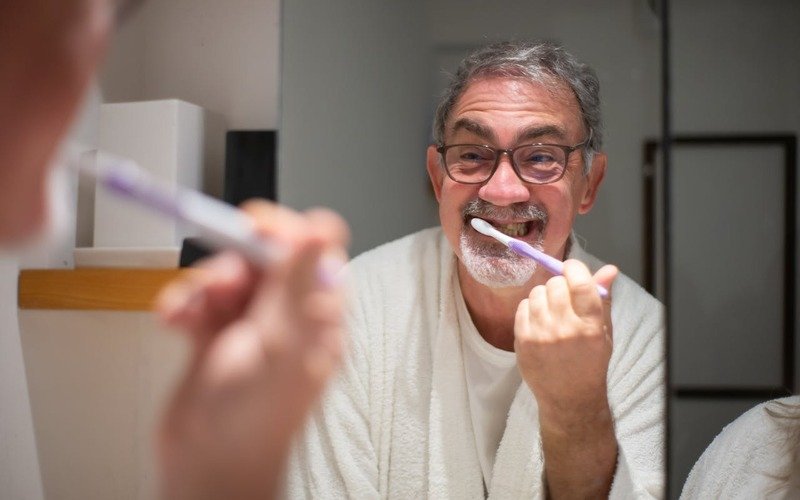
Dental care is often pushed aside until discomfort becomes difficult to ignore. Routine cleanings get delayed and mild sensitivity is dismissed because daily responsibilities feel more urgent. As people age, teeth wear down, gums become more sensitive, and older dental work begins weakening gradually.
Many adults still treat dental visits as emergency responses instead of preventive care which creates avoidable complications later. Oral health affects much more than appearance because eating, speaking, and daily comfort all depend on healthy teeth and gums.
Have certain foods become harder to chew without much thought being given to the reason why? Preventive dental care helps address small issues early before they develop into larger and more complicated problems.
Tiny Problems Get Expensive Fast
Aging mouths tend to reveal problems slowly rather than dramatically. Gums recede and older dental work begins breaking down. Minor discomfort gets normalized because it arrives gradually and people adapt around it.
Tooth loss becomes more common during later years especially when preventive care has been inconsistent. Once missing teeth affect bite alignment and jaw support, restorative treatments are usually discussed. At that stage, patients often start researching long-term replacement options because they want stability instead of temporary fixes.
This is where conversations around implant-supported restorations usually begin. The zirconia implants vsHybridge restoration comparison often comes up when patients are exploring full-arch dental solutions that revive both appearance and long-term function. These discussions rarely happen overnight. They usually follow years of delayed cleanings, untreated gum disease, or neglected dental damage.
One example may involve someone ignoring gum bleeding for years because it seemed minor. Eventually, advanced periodontal disease could weaken several teeth enough to require major restorative work. Another example may involve an older adult relying on one side of the mouth for chewing after a cracked tooth remained untreated for too long. Bite pressure shifts and additional teeth begin wearing down unevenly.
Preventive care reduces the likelihood of reaching those complicated situations. Routine cleanings and examinations allow dentists to identify concerns while treatment remains simpler and more affordable.
Why wait until discomfort interferes with daily life before taking action?
The Mouth Reflects More Than Dental Health
Oral health is deeply connected to the rest of the body. Inflammation inside the gums affects more than teeth and untreated infections place stress on overall physical wellness. This connection becomes increasingly important as people grow older.
Many chronic conditions influence dental health directly. Diabetes affects healing and circulation while certain medications reduce saliva production. Dry mouth may sound harmless initially but saliva plays an important protective role inside the mouth. Without enough saliva, bacteria multiply more easily and tooth decay becomes more aggressive.
Several warning signs deserve immediate attention:
- Persistent gum bleeding during brushing
- Ongoing tooth sensitivity near the roots
- Loose teeth or shifting bite patterns
- Jaw discomfort while chewing
- Chronic dry mouth that affects speaking or eating
- Bad breath that does not improve with hygiene
These symptoms are often dismissed because they develop gradually. Some people assume sensitivity belongs to aging naturally while others blame temporary stress or diet changes. The body rarely works that simply.
Modern Dentistry Is About Staying Ahead
Dental care has changed significantly during recent decades. Preventive care now focuses heavily on preserving natural teeth for as long as possible instead of waiting for major problems to appear first. Early intervention creates better outcomes because smaller issues are easier to manage.
Routine appointments do more than clean teeth. X-rays help detect hidden decay and gum evaluations identify early signs of disease before pain develops. Tiny cracks in older fillings can be repaired before larger fractures occur. This proactive approach saves both money and discomfort later.
Technology has also improved patient experiences considerably. Procedures that once required lengthy recovery periods are now handled more efficiently with better materials and imaging tools. Fear-based avoidance still exists though especially among adults who remember uncomfortable dental visits from decades ago.
There is irony in that fear. Avoiding preventive care often increases the chances of requiring extensive procedures eventually. Simple maintenance appointments are usually far less stressful than emergency extractions or advanced restorative treatments.
Many adults also underestimate how much dental health affects daily comfort. Sleep quality may decline because of untreated grinding or jaw tension. Persistent infections create ongoing inflammation that affects energy levels and concentration. Have headaches or facial tension become so routine that their connection to dental health is no longer considered?
Preventive care works best when consistency becomes part of regular life instead of something reserved for emergencies.
Healthy Teeth Support Aging Gracefully
People often discuss aging gracefully in terms of skincare or fitness but oral health deserves equal attention. Teeth influence facial structure and clear speech. A healthy smile also affects confidence during conversations and social interactions.
Small habits become increasingly valuable during later adulthood because recovery tends to slow with age. Preventive dental care protects long-term comfort through consistent maintenance rather than dramatic interventions.
Several habits make a meaningful difference:
- Brushing gently with fluoride toothpaste twice daily
- Scheduling routine cleanings consistently
- Wearing night guards when grinding becomes noticeable
- Staying hydrated throughout the day
- Replacing damaged dental work before complications develop
These routines may sound ordinary but ordinary habits create long-term stability.
The Best Dental Work Is Often Prevented Entirely
Aging affects every part of the body and the mouth reflects those changes clearly. Teeth experience decades of pressure while gums become more sensitive to inflammation and infection. Minor issues that once seemed manageable can progress more quickly during later years.
Preventive dental care matters because it reduces the need for extensive treatment later. Routine cleanings, examinations, and early repairs help preserve comfort and function before serious problems develop. Oral health also supports nutrition, confidence, and daily communication in ways that are often underestimated.
Modern dentistry focuses heavily on prevention because preserving natural teeth creates better long-term outcomes whenever possible. Small efforts performed consistently usually protect against larger complications later in life.
Delaying care may seem easier temporarily but the mouth rarely ignores neglect forever. Paying attention early allows people to maintain comfort and stability while avoiding unnecessary procedures that could have been prevented through regular maintenance.
