
Have you ever slowed down while driving and judged a house before even seeing the inside? Most people have. That quick reaction says a lot about how exterior features shape what we think a home is worth. From lawns to lighting, the outside sets expectations before anyone steps through the door. In today’s market, where buyers scroll listings like social feeds, curb appeal has become more powerful than ever.
First Impressions Still Run the Show
Buyers often decide within seconds whether a home feels right. That first glance, whether in person or through a Zillow thumbnail, can quietly add or subtract thousands of dollars from perceived value. A neat exterior signals care, while chipped paint or overgrown bushes suggest hidden problems inside.
This matters even more now because buyers are overwhelmed with choices. When interest rates shift or inventory rises, people become pickier. A home that looks “move-in ready” from the outside stands out fast. Even small upgrades like fresh siding or a clean driveway can make a home feel newer without touching the interior.
The Power of Entry Points
Front-facing features carry more weight than most owners expect. The entrance area shapes emotional response, especially in competitive neighborhoods where similar homes blur together. Buyers remember the homes that feel welcoming and ignore the ones that feel neglected.
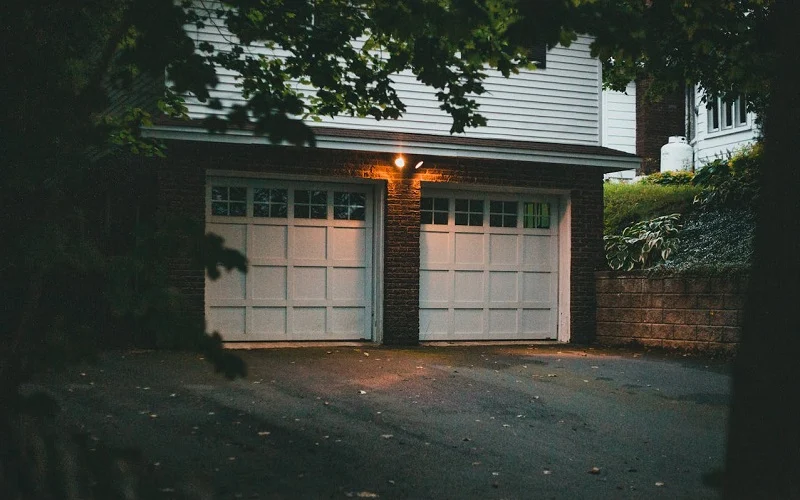
That includes things like lighting, porch design, and yes, garage doors. A modern, well-maintained garage door can boost perceived value because it signals security and style at the same time. Since garages often take up a large portion of the front façade, upgrading them offers one of the highest returns among exterior improvements.
Landscaping as a Silent Investment
A yard does more than look pretty. It tells buyers how much effort a home will require. Simple, clean landscaping often beats elaborate designs because it feels manageable. In a time when many homeowners juggle remote work and busy schedules, low-maintenance appeal is a strong selling point.
Strategic landscaping also frames the house, making it appear larger or more balanced. Trees placed thoughtfully can provide shade, which is increasingly valuable as summers grow hotter. Grass that looks healthy and trimmed signals consistent care, while patchy lawns raise doubts about upkeep throughout the property.
Outdoor Living Spaces Are No Longer Optional
The pandemic changed how people think about home. Backyards became offices, gyms, and social spaces. That shift has not faded. Buyers now expect usable outdoor areas, even in smaller properties.
Decks, patios, and simple seating zones increase perceived square footage. They create a sense of lifestyle rather than just shelter. A modest patio with good lighting and seating can feel like an extension of the home, making it easier for buyers to imagine daily life there. In many markets, these spaces now compete with interior upgrades in terms of value impact.
Lighting That Works Day and Night
Exterior lighting does more than prevent tripping on the walkway. It adds security, highlights architectural features, and extends how the home is experienced after sunset. In neighborhoods where safety is a growing concern, well-lit exteriors feel more desirable.
Layered lighting works best. Path lights guide visitors, while accent lights draw attention to textures or landscaping. Motion-sensor lights add a practical touch that buyers appreciate. With energy-efficient LED options widely available, homeowners can upgrade lighting without worrying about long-term costs.
Materials and Maintenance Tell a Story
The materials used on a home’s exterior send strong signals about durability and future expenses. Brick and fiber cement often suggest longevity, while peeling wood siding can hint at ongoing maintenance needs. Buyers are not just purchasing a look; they are calculating future effort.
Regular maintenance plays an equally important role. Power washing, repainting trim, and repairing small cracks can prevent minor issues from becoming red flags. In a market where buyers are already stretched financially, homes that appear well cared for often command higher offers because they feel less risky.
Sustainability Is Gaining Value
As climate concerns become more visible in everyday life, eco-friendly exterior features are gaining attention. Solar panels, rainwater systems, and native landscaping are no longer niche upgrades. They are becoming selling points, especially among younger buyers.
Even simple changes like drought-resistant plants or reflective roofing can influence value. These features suggest lower utility costs and environmental awareness. With extreme weather events appearing more often in the news, buyers are also looking for homes that seem resilient, not just attractive.
Neighborhood Context Shapes Everything
No home exists in isolation. The value of exterior features depends heavily on the surrounding area. A beautifully landscaped yard may add less value in a neighborhood where most homes are already well maintained, but it can stand out in areas where upkeep varies.
Consistency matters. Homes that fit the style of their neighborhood often perform better than those that try too hard to stand apart. Buyers tend to feel more comfortable when a property blends in while still offering subtle upgrades. It is a balance between individuality and harmony, and getting it right can quietly increase perceived worth.
Wrap Up
Exterior features may seem superficial at first glance, but they influence how buyers think, feel, and ultimately decide. In a market shaped by digital browsing, shifting lifestyles, and rising expectations, the outside of a home does more than attract attention. It builds trust. And in real estate, trust often translates directly into value.
