
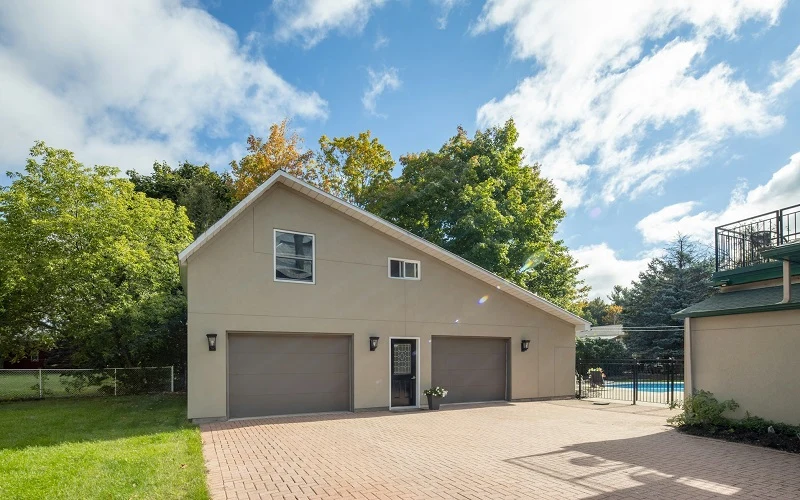
Your garage door is one of the hardest-working systems in your home. It opens and closes multiple times a day, protects your belongings, and often serves as a primary entry point. Despite its importance, many homeowners don’t think about it until something goes wrong. Small issues can build up quietly, turning into bigger problems that affect both safety and convenience.
In places where humidity and salt air are part of daily life, garage door components can wear down faster than expected. Moisture can lead to rust, while temperature shifts can affect how parts expand and contract. These conditions make it even more important to monitor how your garage door is functioning. Being proactive doesn’t just save money; it also reduces the chances of sudden breakdowns that leave your home exposed or your car stuck inside.
Auditory Red Flags: What Your Garage Door Sounds Are Telling You
Unusual sounds are often the first sign that something isn’t right. A squeaking noise might point to dry rollers or hinges that need lubrication, while grinding could mean parts are wearing down. If you hear loud banging or popping, it could signal a problem with the springs or tracks. These noises shouldn’t be ignored, especially if they get worse over time.
When sounds become persistent or more aggressive, it’s usually a sign that internal components are wearing down or slipping out of place. Ignoring these warning signs can lead to sudden failure, with the door getting stuck halfway or stopping altogether at the worst possible time. In these situations, prompt action is essential to restore normal function and maintain safety. If you are looking foremergency garage door repair services, there are many experienced professionals who can address the issue quickly, help prevent further damage, and minimize risk.
Visual Alignment & Balance: Spotting Structural Issues Early
A garage door should move evenly and stay level throughout its operation. If you notice one side rising faster than the other or gaps forming along the edges, there may be an issue with the tracks or cables. These visual cues are easy to spot and often indicate that the system is no longer properly aligned.
You can test the door’s balance by disconnecting the opener and lifting it by hand. If it doesn’t hold its position or feels heavier than usual, it may indicate that the springs are starting to wear out.Catching these signs early can help you avoid more serious damage and keep the door functioning safely.
Safety Sensor Calibration: Ensuring Proper Auto-Reverse Function
Safety sensors play a critical role in preventing accidents. These small devices sit near the base of the door and detect objects in its path. If they are blocked, dirty, or misaligned, the door may fail to reverse when something is underneath it, creating a serious hazard.
Regularly checking the sensors is a simple but important step. Make sure they are clean and facing each other directly. If the door doesn’t respond correctly during a test, it may be time for a closer inspection. Keeping these sensors in working order ensures your garage door remains safe for everyone in your household.
The Impact of Weather & Wear on Garage Door Components
Garage doors in coastal areas are constantly exposed to humidity and salt air. Over time, this can lead to rust on metal parts like springs, hinges, and tracks. You may also notice that the door feels heavier or doesn’t glide as smoothly as it once did. These changes often occur gradually, making them easy to overlook.
Weather also affects seals and insulation. Rubber weather stripping can crack or shrink, allowing moisture and pests to enter. Temperature changes can cause materials to expand and contract, which impacts alignment. Regularly checking these areas helps you catch early signs of wear before they affect performance.
Hardware and Fastener Integrity: Small Parts, Big Problems
Every time your garage door opens or closes, it creates vibration throughout the system. Over time, this can loosen bolts, screws, and brackets that hold everything in place. If these parts aren’t secure, the door may start to rattle or shift slightly during operation.
A quick visual inspection can go a long way. Look for loose hardware around hinges, tracks, and mounting points. Tightening these components keeps the system stable and reduces unnecessary strain. Staying on top of these small fixes can prevent larger structural issues down the line.
Responsiveness and Speed: Early Signs of Mechanical Fatigue
A garage door should respond quickly and move at a consistent speed. If you notice delays after pressing the remote or uneven movement during operation, something may be off. These issues often point to an aging opener, worn springs, or electrical problems that need attention.
Slow or jerky movement can also increase wear on other parts of the system. When one component struggles, it forces others to compensate. Addressing these changes early helps maintain smooth operation and prevents unexpected breakdowns that could disrupt your daily routine.
