
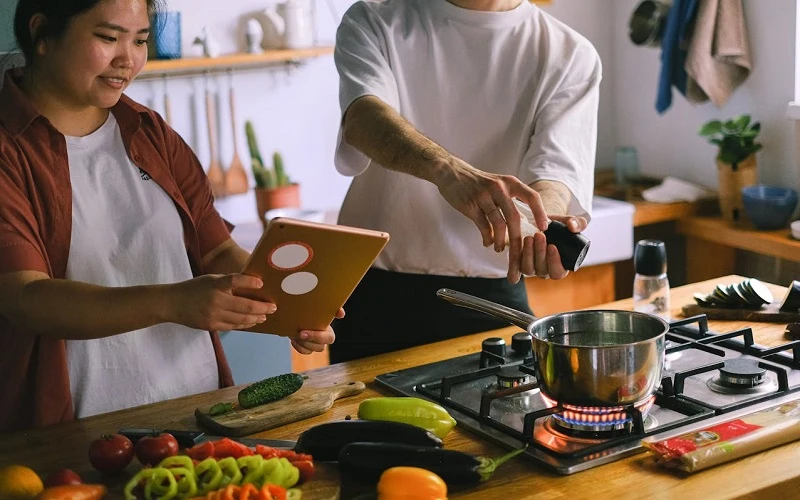
Around 6:30, a lot of people end up staring into the fridge like it personally offended them. Frozen food starts sounding reasonable. Delivery apps look tempting again, even after the last overpriced meal arrived cold and forgettable. That routine repeats in plenty of homes now, especially when work spills into the evening and cooking slowly starts feeling less like home life and more like another unfinished task.
Still, homemade comfort dinners keep pulling people back in. They usually solve problems that convenience food never fully fixes. A slow-cooked meal changes the mood inside a kitchen. People move more slowly. The house smells different for hours. Even cleanup feels slightly less irritating when dinner actually tastes like someone cared while making it. That matters more than people admit out loud.
Slow-Cooked Meals Change the Whole Evening
Slow-cooked dinners affect the whole house differently than quick meals do. A pot simmering on the stove for hours creates this steady background feeling that people keep drifting back toward without really thinking about it. Someone checks the sauce too often. Kids ask when dinner will finally be ready, even though they asked twenty minutes earlier. The kitchen starts smelling warm long before anyone eats. That part matters more than people realize. These meals are not built for speed or internet trends. They take time, and somehow the flavor feels deeper because of it. A good stew still feels more comforting than most rushed dinners people throw together after work.
Why Classic Comfort Meals Still Work So Well
A lot of classic comfort dishes sound harder than they actually are, mostly because restaurant menus turned them into something overly formal. In reality, many meals follow simple patterns. As much as the dish sounds difficult to make, it really is not, like the easy beef burgundy recipe. The process feels more relaxed than complicated once people stop expecting perfection from the first attempt. Even slightly messy homemade versions usually taste better than people expect because long cooking naturally softens mistakes a little along the way.
People today want something hearty that fills the kitchen with real cooking smells again, instead of another rushed weeknight meal thrown together between emails, errands, and whatever notifications keep buzzing in the background now.
Homemade Meals Slow People Down
There is something oddly calming about chopping vegetables while a pan heats slowly nearby. The task itself is repetitive enough that people stop thinking about work for a while. Phones get checked less often. Conversations happen more naturally because nobody is trying to rush through the process as fast as possible.
Modern life has become very optimized for convenience, which sounds good until every part of the day starts feeling temporary and disposable. Fast meals fit into that pattern, too. They solve hunger quickly but rarely create much atmosphere around eating itself. Homemade comfort dinners still ask for patience, and maybe that is partly why they feel different emotionally.
Even mistakes become part of the memory later. Overcooked carrots. Sauce too thick. Bread slightly burned at the edges. Families remember those meals anyway because people were present while cooking them. Perfect meals disappear from memory faster than imperfect ones sometimes.
The Smell Matters More Than People Think
Food smells change the feeling of a home almost immediately. That sounds obvious, but people forget how strong the connection really is until something simmers for hours and the whole house slowly starts reacting to it.
Comfort food smells travel differently than quick meals. Garlic, onions, herbs, browned meat, stock slowly reducing in a heavy pot. Those smells settle into rooms gradually and make people hungry long before dinner is ready. It creates anticipation without anyone trying very hard.
This is probably why slow-cooked dinners still feel satisfying even during busy weeks. They interrupt the normal pace of the house. Instead of everyone eating separately or distracted in front of screens, people start drifting toward the kitchen naturally because the environment changes around them.
Comfort Food Feels More Practical Now
Food prices have changed how people think about eating out recently. A casual restaurant dinner for families can cost enough now that many people quietly reconsider whether it even feels worth it anymore. Especially when portions shrink while prices keep climbing upward anyway.
Homemade comfort meals solve part of that frustration because they stretch ingredients further without feeling cheap. Tougher cuts of meat become tender through slow cooking. Leftovers improve overnight instead of feeling disappointing the next day. One large pot feeds people multiple times without much extra effort.
There is also less pressure around presentation at home. Nobody cares if mashed potatoes are uneven or if sauce spills slightly onto the plate. That freedom changes the experience. Cooking becomes less performative and more useful again. People probably needed that shift after years of turning every meal into online content.
These Meals Connect Generations Quietly
Most comfort dinners survive because somebody taught somebody else how to make them. Recipes pass between parents, grandparents, siblings, friends, and roommates. Measurements get adjusted casually over time. Written instructions become rough suggestions instead of strict rules.
That kind of cooking creates continuity that families rarely talk about directly. A certain soup tastes like childhood winters. A beef stew reminds someone of stressful college years when homemade meals stretched small grocery budgets further. Certain foods stay emotionally attached to specific life periods without anyone planning for that to happen.
Comfort dinners also forgive inconsistency better than delicate recipes do. Nobody ruins a braised meal because onions were cut unevenly or herbs measured imperfectly. The cooking process smooths things out slowly. There is probably a lesson hidden in there somewhere, though maybe that sounds too dramatic.
Leftovers Become Part of the Reward
Comfort food leftovers almost always taste better the next day. Sauces settle deeper into the meat. Broths thicken slightly. Flavors blend more fully overnight after cooling and reheating. Parents especially appreciate this because dinner preparation stops feeling like a single-use task. Homemade meals reduce friction in ways people do not fully notice until the meal is already warming on the stove again the next afternoon.
