
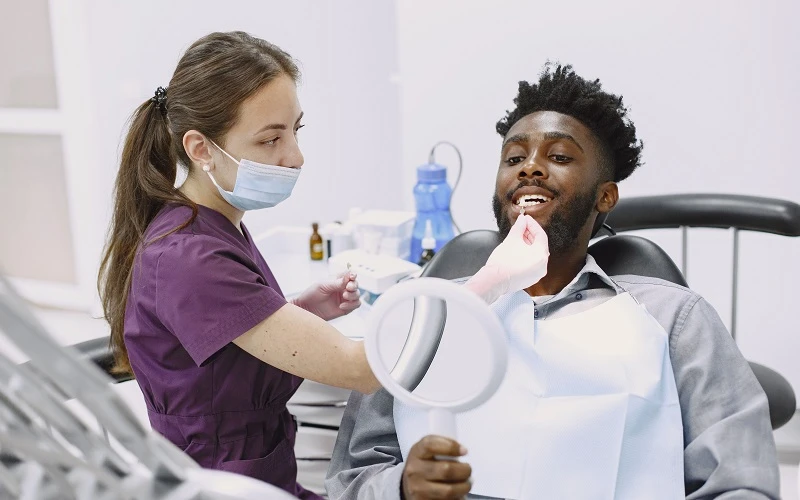
Taking care of your teeth does not have to feel like a giant homework assignment. A few steady habits can make a big difference in how your mouth feels every day. If you live in Madison, it also helps to know what to look for when it is time to book professional care. Think of this as your simple game plan for fewer surprises, better checkups, and a smile that stays ready for photos, snacks, and awkward small talk.
Why Checkups Matter
It is easy to put off a dental visit when nothing hurts. The trouble is that many problems start quietly. A tiny cavity can grow, gum irritation can get worse, and plaque can settle in like an unwanted houseguest. Regular checkups help you catch those issues before they become expensive, painful, or both. That is the real magic. You handle the small stuff before it turns dramatic.
If you are trying to choose a trusted Madison dentist, look for someone who offers routine cleanings, clear communication, and a calm approach to care. A good dentist should make you feel informed, not confused. They should also explain what they see in plain language instead of sounding like they swallowed a dental textbook.
Checkups are also useful because they create a health baseline. When your dentist sees you regularly, it becomes easier to notice changes early. That can save time, money, and a lot of unnecessary worry.
Brush Better Every Day
Brushing sounds simple, but many people rush through it like they are late for a train. You will get better results if you slow down and aim for two full minutes, twice a day. Use a soft-bristled toothbrush and gentle circles instead of scrubbing hard. Brushing too aggressively can irritate your gums and wear down enamel, which is not exactly a win.
Try to brush every surface, not just the front teeth you show in pictures. Give attention to the backs, the chewing surfaces, and the gumline. Those hidden spots love to collect plaque. If you use an electric toothbrush, let it do the work. No need to attack your teeth like you are cleaning grout.
Replace your toothbrush or brush head every three months, or sooner if the bristles look worn out. A frayed brush is like a broom with three surviving straws. It still tries, but the results are underwhelming. Consistent technique matters more than fancy products.
Flossing Without The Fuss
Flossing gets a bad reputation because it feels annoying at first. Still, it helps clean the places your toothbrush cannot reach. If you skip it, food bits and plaque stay between your teeth and near your gums. That can lead to bleeding, bad breath, and gum trouble over time. Not exactly the kind of leftovers you want.
If regular floss feels awkward, try floss picks, a water flosser, or softer tape-style floss. The best choice is the one you will actually use. Start with once a day, even if it is not perfect. A messy habit you keep is better than a perfect habit you never do.
A helpful trick is to tie flossing to something you already do. Keep floss near your toothbrush or set a reminder on your phone. Within a few weeks, it starts to feel normal. Your gums may even bleed less once they get healthier. That early bleeding is often a sign you need the habit more, not less.
Foods That Help Teeth
Your daily menu affects your teeth more than you might think. Crunchy fruits and vegetables like apples, carrots, and celery can help scrub surfaces while you chew. Dairy foods such as yogurt and cheese provide calcium, which supports strong teeth. Water is another quiet hero because it helps rinse away food particles and keeps your mouth from getting too dry.
Some foods and drinks deserve a little side-eye. Sugary snacks, soda, sticky candy, and constant sipping on sweet drinks can feed the bacteria that cause decay. Acidic drinks like sports drinks and citrus-heavy beverages can also wear down enamel over time. You do not need to fear every treat, but frequency matters. A little dessert after a meal is usually kinder to your teeth than grazing on sugar all day.
If you want a simple rule, aim for balance. Eat real meals, drink more water, and keep sugary snacks from becoming a full-time hobby. Your teeth are not food critics, but they definitely notice patterns.
Signs You Should Not Ignore
Your mouth often gives early warnings when something is off. Sensitivity to hot, cold, or sweets can point to enamel wear, a cavity, or gum recession. Bleeding gums may show that plaque is building up along the gumline. Bad breath that sticks around can also be a clue that something deeper needs attention.
Tooth pain is the most obvious signal, but not all problems come with sharp pain right away. You might notice swelling, a rough spot on a tooth, soreness when chewing, or gums that look red and puffy. Even a small change matters if it hangs around.
The smart move is not to diagnose yourself based on one dramatic internet search. If something feels unusual for more than a few days, book an appointment and get a professional opinion. A quick visit can often give you peace of mind or help you fix a small problem before it grows. Your teeth are very bad at sending polite calendar invites.
Making Visits Less Stressful
If dental appointments make you nervous, you are far from alone. A lot of people carry old fears from childhood, worry about discomfort, or simply dislike not knowing what will happen. One of the best ways to lower that stress is to ask questions before your visit. When you understand the plan, the whole thing feels less mysterious.
Try scheduling your appointment at a time when you are not rushed. If mornings are calmer for you, go early. If you need time to settle in, pick a slower part of your day. Bring a short list of concerns so you do not forget them once you sit in the chair. Tiny notes can rescue your memory when nerves show up.
It also helps to be honest about anxiety. A caring dental team can explain each step, go slower, and make the visit feel more manageable. You do not get bonus points for pretending to be fearless. The goal is simply to get the care you need and leave feeling better than when you walked in.
