
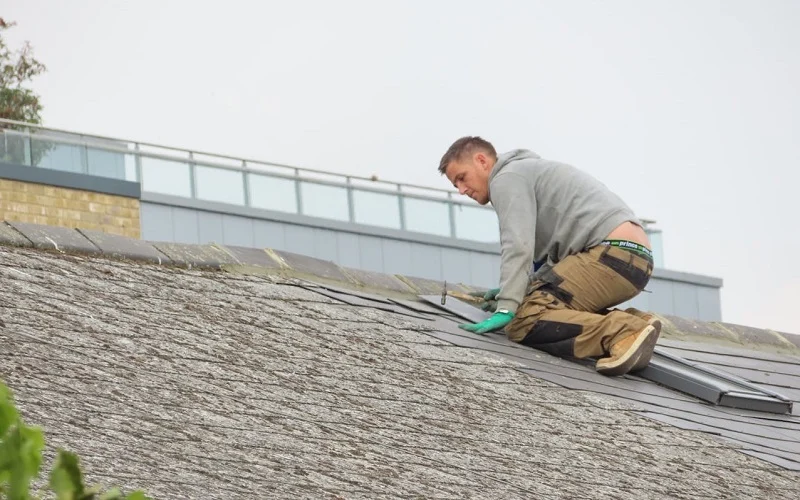
Your roof protects your home every day. It keeps out rain, wind, heat, cold, and debris. Because it does so much work, it needs regular care. Many homeowners do not think about their roof until they see a leak or notice missing shingles. By then, the damage may already be more serious than it looks.
Roof maintenance does not have to be difficult. In many cases, simple checks can help you find small problems before they turn into costly repairs. A loose shingle, clogged gutter, or cracked flashing may seem minor at first. However, these issues can let water enter your home if they are ignored for too long.
Inspect Shingles for Damage
Shingles are one of the most visible parts of your roof. They help keep water away from the roof deck and protect your home from weather damage. Over time, shingles can wear out, loosen, crack, or go missing. This is why checking them regularly is an important part of roof care.
Start by looking at your roof from the ground. Use binoculars if needed. Look for shingles that are curled, lifted, broken, or missing. Also check for areas that look uneven or darker than the rest of the roof. These may be signs of wear or damage.
For asphalt shingle roofs, granule loss is another thing to watch for. Granules are the small rough particles on the surface of the shingles. They help protect the shingles from sunlight and weather. If you notice many granules in your gutters or near your downspouts, your shingles may be wearing down.
Clean Gutters and Downspouts
Clean gutters are important for a healthy roof. Gutters move rainwater away from your roof, siding, and foundation. When they are blocked with leaves, sticks, dirt, or shingle granules, water cannot flow properly.
Clogged gutters can cause water to back up under the roof edge. This can damage shingles, fascia boards, and other parts of the roof system. Water may also spill over the sides of the gutters and collect near the foundation. Over time, this can lead to moisture problems around the home.
Homeowners should clean gutters at least twice a year, usually in spring and fall. If there are many trees near the house, gutters may need to be cleaned more often. After storms, it is also a good idea to check for leaves, branches, and other debris.
Check Flashing Around Roof Openings
Flashing is the thin metal material placed around areas where the roof meets another surface. It is often found around chimneys, skylights, vents, valleys, and walls. Its main job is to stop water from entering gaps and joints.
Because flashing protects weak spots on the roof, it should be checked often. Loose, cracked, rusted, or bent flashing can let water seep into the home. This can lead to stains on ceilings, damp insulation, or hidden roof damage.
Look closely at areas around chimneys, roof vents, skylights, and roof valleys. From the ground, you may be able to spot lifted metal, gaps, or missing sealant. Inside the home, water stains near these areas may also point to flashing problems.
Look for Signs of Roof Leaks Inside the Home
Roof problems do not always show on the outside first. Sometimes, the first signs appear inside the home. This is why homeowners should check ceilings, walls, and attic spaces from time to time.
Water stains are one of the most common signs of a roof leak. These stains may look brown, yellow, or gray. They often appear on ceilings or near the top of walls. Peeling paint, bubbling drywall, or damp spots can also point to a leak.
The attic is another important place to check. After heavy rain, look for wet insulation, dark marks on wood, or a musty smell. These signs may mean that water is getting through the roof. Mold growth can also happen when moisture stays in the attic for too long.
Trim Overhanging Tree Branches
Trees can make a yard look nice, but branches that hang over the roof can cause problems. When branches touch the roof, they can scrape shingles during windy weather. This can wear down the roof surface and make shingles weaker.
Overhanging branches also drop leaves, twigs, and seeds onto the roof. This debris can collect in roof valleys and gutters. When it holds moisture, it can lead to stains, moss, and other roof problems.
Branches can also break during storms. A large limb falling on the roof can damage shingles, gutters, flashing, or even the roof structure. Trimming weak or dead branches before storm season can reduce this risk.
Remove Moss, Algae, and Debris
Moss, algae, leaves, and dirt can build up on a roof over time. A small amount of dirt may not seem like a big issue, but heavy buildup can hold moisture against the shingles. This can shorten the life of the roof if it is left untreated.
Moss often grows in shaded areas where the roof stays damp. It can lift the edges of shingles and make it easier for water to get underneath. Algae may look like dark streaks on the roof. It is often more of a surface issue, but it can still make the roof look older and less cared for.
Leaves and branches should also be removed from the roof when possible. Debris often collects in valleys, behind chimneys, and near skylights. These areas need clear paths so rainwater can drain properly.
Check Attic Ventilation and Insulation
A healthy roof also depends on what is happening in the attic. Good ventilation helps air move through the attic. Proper insulation helps control temperature inside the home. When these two things work together, they help protect the roof from heat and moisture problems.
Poor ventilation can trap hot air in the attic during warm months. This heat can cause shingles to age faster. In colder months, trapped moisture can lead to condensation on wood, nails, or insulation. Over time, this can cause mold, mildew, and wood damage.
Homeowners should look for signs of poor attic ventilation. These may include a hot attic, damp insulation, rusted nails, musty smells, or mold on wood surfaces. High energy bills and uneven room temperatures may also be signs that the attic is not working as it should.
Schedule Professional Roof Inspections
Homeowners can spot many roof problems on their own, but some issues are hard to see without training. A professional roof inspection can help find hidden damage before it becomes serious.
Roofing professionals know where problems often start. They can check shingles, flashing, vents, gutters, roof valleys, sealant, and other important areas. They can also look for signs of storm damage, poor drainage, sagging, or weak spots.
A roof should usually be inspected at least once a year. It is also smart to schedule an inspection after strong winds, hail, heavy rain, or falling branches. Even if the roof looks fine from the ground, there may be damage that is not easy to see.
Roof maintenance is an important part of taking care of a home. A roof may look strong from the outside, but small problems can grow if they are not found early. Regular checks can help prevent leaks, water damage, mold, and costly repairs.
