Home is where daily life unfolds. It’s where you wake up, unwind, work, rest, and recharge. Yet many people live with small frustrations in their homes without realizing how much they affect comfort, efficiency, and overall well-being. A cramped bathroom, poor lighting, or outdated fixtures can quietly drain energy and time.
However, thoughtful upgrades, even simple ones, can improve how a space feels and functions every single day. From comfort and safety to efficiency and style, the right improvements can make a noticeable difference.
So, let’s have a look at some practical, impactful home upgrades that can help you live better, feel more comfortable, and enjoy your space more fully.
Start With Small Changes That Improve Daily Comfort
Living better at home often begins with noticing small frustrations that interrupt your routine. A door that sticks, a poorly placed light switch, or furniture that limits movement can quietly affect how a space feels. Addressing these issues does not require major renovation. Simple updates like replacing worn hardware, improving seating comfort, or rearranging layouts can make daily tasks easier. When your home supports how you move and live, comfort improves naturally.
Upgrade Your Bathroom for Comfortand Long-Term Value
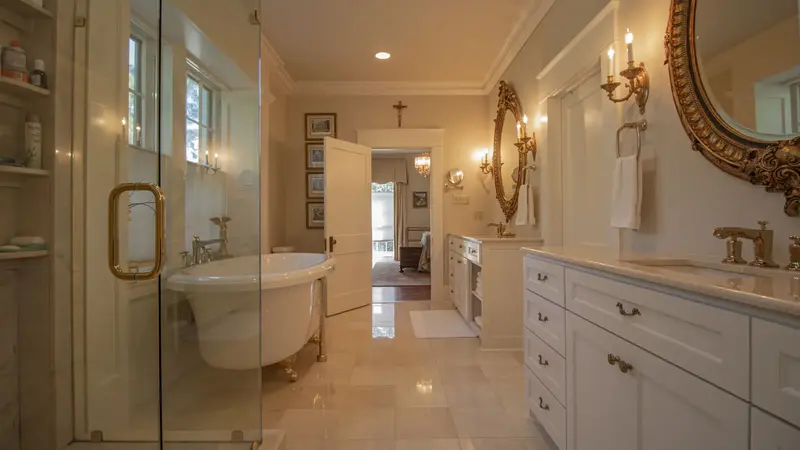
The bathroom plays a major role in daily comfort. Outdated fixtures, poor lighting, and limited storage can make the space feel cramped and frustrating. Simple upgrades such as modern faucets, better ventilation, and improved lighting can immediately raise comfort levels. However, for homes with very outdated bathrooms, frequent repairs often become costly and inconvenient. Constantly fixing leaks, replacing failing fixtures, or dealing with old plumbing can add up over time. In these cases, the cost of a bathroom remodel might be less than that of ongoing repairs. Many top remodelers offer discounts or package pricing on complete remodels, which makes the option worth exploring. A well-planned remodel improves comfort, reduces maintenance, and creates a bathroom that works better every day.
Improve Lighting to Change How Your Home Feels
Lighting shapes how a room looks and feels. Poor lighting can make even a clean and well-designed space feel dull or uncomfortable. Improving lighting often starts with adding brighter fixtures in areas where tasks happen, such as kitchens, bathrooms, and workspaces. Soft lighting in living areas helps create a relaxed atmosphere. Switching to energy-efficient bulbs also improves visibility without increasing energy use. Natural light matters too. Removing heavy window coverings or adjusting layouts to allow more daylight can change a room’s mood. With better lighting, rooms feel more open, welcoming, and functional.
Refresh Walls With Paint or Simple Finishes
Few upgrades change a home as quickly as fresh paint. Worn or dark walls can make rooms feel smaller and older than they are. A new coat of paint instantly refreshes the space and gives it a cleaner look. Light and neutral colors help reflect light and create a sense of openness. Paint also allows homeowners to update style without large expenses. Simple wall finishes, such as updated trim or repaired surfaces, add polish and consistency. These changes improve how rooms connect visually and help the entire home feel more cohesive.
Make Flooring More Comfortable and Practical
Old or damaged floors can feel cold, uneven, or unsafe. Replacing worn flooring improves both comfort and appearance. Materials that offer better insulation underfoot help rooms feel warmer and quieter. In high-traffic areas, durable and easy-to-clean flooring reduces daily effort. Non-slip surfaces also improve safety, especially in kitchens and entryways. When flooring supports comfort and function, moving through the home feels easier and more natural.
Upgrade Storage to Reduce Daily Stress
Lack of storage often shows up as clutter, and clutter quickly affects how a home feels. When everyday items do not have a proper place, even simple routines become frustrating. Upgrading storage helps restore order and calm. Built-in shelves, cabinets, and closet systems make better use of existing space. Even small additions, such as organizers inside drawers or vertical shelving, improve access and visibility. When storage works well, surfaces stay clear, and rooms feel more open. This makes daily tasks smoother and reduces the mental strain that comes from constant disorganization.
Improve Temperature Control and Air Quality
Comfort at home depends heavily on temperature and air quality. Rooms that feel too warm, too cold, or stuffy can make it hard to relax or focus. Simple upgrades like ceiling fans, weather sealing, or better insulation help maintain consistent temperatures throughout the house. Smart thermostats allow more precise control and reduce energy waste. Air quality improvements also matter. Better ventilation and cleaner air reduce dust and improve overall comfort. These changes help create a healthier indoor environment that supports daily life, especially during seasonal shifts.
Enhance Kitchen Function Without a Full Remodel
The kitchen sees constant use, yet many homeowners hesitate to update it due to cost. Small upgrades can greatly improve function without a full remodel. Replacing cabinet hardware, updating faucets, or improving lighting can change how the kitchen feels and works. Adding better task lighting over counters improves visibility and safety. Even small layout adjustments, such as reorganizing storage or adding pull-out shelves, make cooking and cleaning more efficient. These updates help the kitchen support daily routines without the expense of major construction.
Add Smart Home Features That Save Time and Energy
Smart home features no longer feel complicated or out of reach. Simple upgrades can improve convenience and efficiency without changing how you live. Smart lighting allows you to control brightness and timing with ease. Programmable thermostats help manage energy use while keeping the home comfortable. Security features like smart locks or cameras offer peace of mind without adding stress. These technologies work quietly in the background, helping save time and energy.
Focus on Safety and Accessibility for Long-Term Living
Safety upgrades benefit everyone, not just those planning to age in place. Poor lighting, slippery surfaces, and tight walkways increase the risk of accidents. Simple changes such as non-slip flooring, better lighting, and secure handholds improve safety throughout the home. Wider pathways and easier-to-reach storage also support accessibility. These upgrades help the home adapt to changing needs over time.
Final Thoughts
Living better at home does not require dramatic changes or constant upgrades. The most impactful improvements often focus on comfort, function, and everyday use. By addressing small issues, upgrading key spaces, and ensuring the home adapts to changing needs, homeowners can create a space that feels supportive and enjoyable.