
Have you ever stood in front of a window display trying to figure out why some windows are labeled “fixed” and others “operable,” and wondered if it actually matters which one goes where in your home? It matters more than most people expect, and getting it wrong in the wrong room can affect everything from ventilation to safety to your energy bill.
What Actually Separates the Two
A fixed window is exactly what it sounds like: a pane of glass set permanently into its frame, with no ability to open. An operable window, by contrast, is designed to open, whether by sliding, casement hinges, or awning-style tilting, allowing airflow into the room.
Fixed windows are generally less expensive and more energy efficient simply because there’s no moving hardware to seal against, which means fewer opportunities for air leakage over time. Operable windows cost a bit more and require more maintenance, but they earn their keep by actually letting a room breathe.
Where Fixed Windows Make the Most Sense
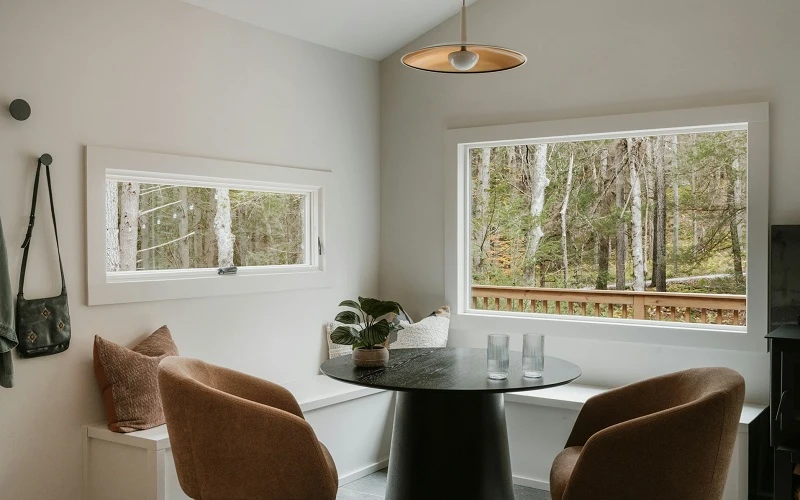
Fixed windows tend to work best in spaces where ventilation isn’t a primary concern but natural light is. Large picture windows in living rooms, stairwell windows, or high transom windows above doors are common places to find fixed glass, since the goal there is usually maximizing view and light rather than airflow.
They’re also a smart choice in hard-to-reach spots, like high wall sections or areas above a kitchen sink, where an operable window would be awkward or impractical to actually open and close on a regular basis.
Where Operable Windows Are Non-Negotiable
Bedrooms are the clearest example of where an operable window isn’t just nice to have, it’s typically required. Building codes generally mandate operable windows in bedrooms specifically because they serve as an emergency exit in the event of a fire.
Kitchens and bathrooms also benefit significantly from operable windows, since both spaces generate moisture and odors that need somewhere to go. Without proper ventilation, these rooms are more prone to condensation and, over time, mold growth around window frames and other surfaces.
Energy Performance Differences Worth Understanding
Because fixed windows have no moving parts, they generally perform better on energy efficiency metrics than operable windows of a similar size and glazing type. Every hinge, slider track, and seal on an operable window represents another potential point of air infiltration if it isn’t manufactured and installed with real precision.
This doesn’t mean operable windows are a poor energy choice, well-built ones with quality weather stripping perform very well, but it does mean the manufacturing and installation quality matters more for operable units than it does for a simple fixed pane. The National Research Council Canada conducts building science research on how window seals and frame assemblies perform under real climate stress, which is useful background for understanding why two windows with similar energy ratings can behave very differently once installed.
Mixing Both Types in a Single Room
A lot of modern window design actually combines fixed and operable panels within the same window unit. A large fixed picture window flanked by two smaller operable casements is a common configuration, offering an unobstructed view along with functional ventilation exactly where it’s needed.
This approach lets homeowners get the best of both categories rather than choosing one exclusively for an entire room.
Making the Right Call for Your Home
Understanding the differences between fixed and operable windows before a replacement project starts helps avoid a common and costly mistake: installing fixed glass somewhere that genuinely needed ventilation, or paying for operable hardware in a spot where it will rarely, if ever, actually get opened.
Getting this right room by room, rather than defaulting to one window type throughout an entire home, tends to produce better results on both comfort and energy performance than treating every window opening the same way.
