
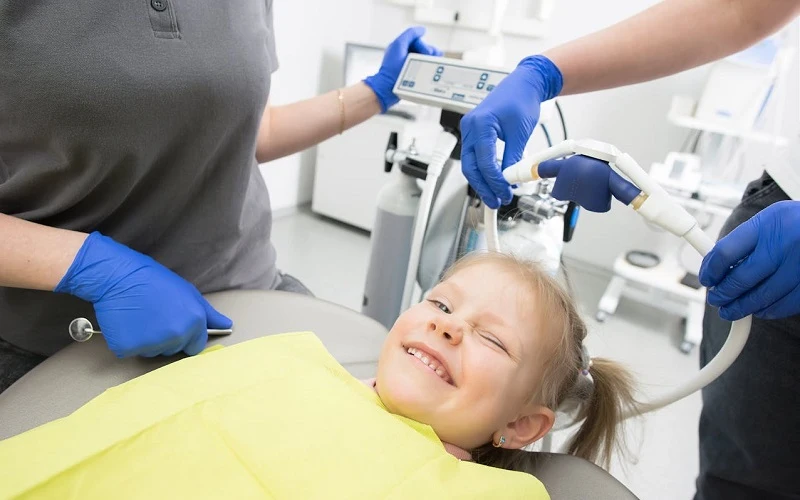
A lot of parents first notice something is off when their child smiles in a photo, and one tooth seems to be coming in sideways, like it gave up halfway through the job. Sometimes it is crowded teeth. Sometimes a child struggles to bite food properly, but nobody thinks much of it because baby teeth are supposed to fall out anyway. The problem is that certain issues tend to grow quietly over time, and by the time they become obvious, treatment can get longer, more expensive, and more frustrating for everyone involved.
Most children do not complain about jaw discomfort or bite problems because they assume it feels normal. Parents are busy, schedules are packed, and orthodontic concerns usually get pushed behind school, sports, work, and everything else people are trying to keep up with during the week. Early care is not really about rushing children into braces. In many cases, it is simply about noticing small problems before they become harder to manage later.
Why Orthodontists Often Focus on Timing More Than Treatment
One thing many parents misunderstand is that early orthodontic visits do not always lead straight into treatment. A child may only need monitoring for a few years while the jaw and adult teeth continue developing. That observation period matters because growth patterns can reveal problems that are much easier to guide earlier than later. Small bite issues, crowding, or jaw alignment concerns can sometimes be corrected with simpler methods while the mouth is still growing naturally.
This is why many families eventually seek advice from pediatric orthodontists instead of waiting until all permanent teeth have fully developed. Early evaluations are often less about cosmetic concerns and more about function, breathing, spacing, and long-term comfort. In some situations, catching problems earlier reduces the need for tooth removal or more complex correction during the teenage years, which is usually where people start wishing they had looked into things sooner.
Children Adapt Faster Than Adults Usually Expect
Kids tend to handle orthodontic routines better than adults imagine, especially when treatment begins gradually. Adults often project their own anxiety onto the situation because they remember uncomfortable dental visits growing up. Modern orthodontic care still involves adjustments and patience, obviously, but children usually settle into routines surprisingly fast once they understand what is happening.
The social side matters too, though people do not always admit it openly. Children become aware of appearance earlier than many parents realize. School environments can be rough sometimes. A noticeable bite issue or crowded teeth may not seem important to adults at first, but children often notice differences quickly, especially during middle school years, when everybody suddenly becomes hyperaware of each other for no good reason.
That does not mean orthodontic care should revolve around appearance alone. It just means confidence and comfort tend to overlap more than people think. A child who feels comfortable smiling or speaking in class may participate differently without even realizing it.
Some Problems Affect More Than Teeth
Parents often associate orthodontics strictly with straight teeth, but jaw growth and bite alignment affect several daily functions people rarely connect to oral health. Chewing difficulties, speech habits, mouth breathing, and uneven wear on teeth sometimes trace back to alignment problems that started years earlier.
Sleep can also be affected in certain cases. Children who breathe mostly through their mouths at night may develop habits connected to jaw positioning or airway concerns. Not every child with orthodontic issues has sleep problems, of course, but specialists increasingly look at the mouth as part of a much bigger picture rather than treating teeth alone like isolated pieces.
There is also the practical side nobody enjoys discussing. Severe crowding becomes harder to clean properly. Brushing around overlapping teeth takes more effort, especially for younger kids who already rush through brushing because they want to get back to literally anything else. Poor cleaning habits combined with crowded teeth often lead to cavities and gum irritation that build slowly over time.
Waiting Too Long Can Limit Options
A common misconception is that orthodontic care works the same at every age. It does not. Children’s jaws are still developing, which allows certain corrections to happen more naturally during growth stages. Once growth slows down, treatment options sometimes become more limited or require more aggressive correction later.
This does not mean every child needs early intervention. Plenty of kids only require monitoring before treatment starts during adolescence. Still, timing matters enough that most orthodontists prefer to evaluate growth patterns earlier rather than guess later.
Parents sometimes avoid consultations because they worry they are being pushed toward unnecessary treatment. That concern is understandable. Healthcare in general has become confusing for a lot of people, especially with social media advice floating around nonstop. But a good early evaluation should feel informational, not pressured. In many cases, parents leave with nothing more than a recommendation to check back in a year.
Habits That Quietly Shape Development
Some childhood habits stick around longer than expected and gradually affect tooth alignment or jaw growth. Thumb sucking, prolonged pacifier use, tongue thrusting, and chronic mouth breathing are pretty common examples. Most parents already know these habits exist, but many do not realize how strongly they can influence facial development over time.
The tricky part is that changes happen slowly. A child does not suddenly wake up with noticeable alignment issues overnight. The mouth adapts little by little, which makes problems easier to overlook until adult teeth begin coming in awkward positions.
Technology has improved early monitoring quite a bit as well. Digital imaging and scanning tools now help orthodontists track changes more precisely than before, often without uncomfortable molds or long appointments. Children usually appreciate that part. Adults probably do too.
Parents Usually Notice the Difference Later
Many parents only fully understand the value of early orthodontic care after treatment has already started. Daily routines become easier. Children chew more comfortably, speak more clearly, or stop hiding their smiles in photos. Sometimes the changes are subtle enough that families barely notice them happening at first.
Early orthodontic care is not about creating perfect smiles or chasing cosmetic trends online. Most of the time, it is simply about giving a growing child fewer obstacles later on while their body is still changing naturally. That approach tends to make life easier not only during childhood, but years after treatment is finished too.
