
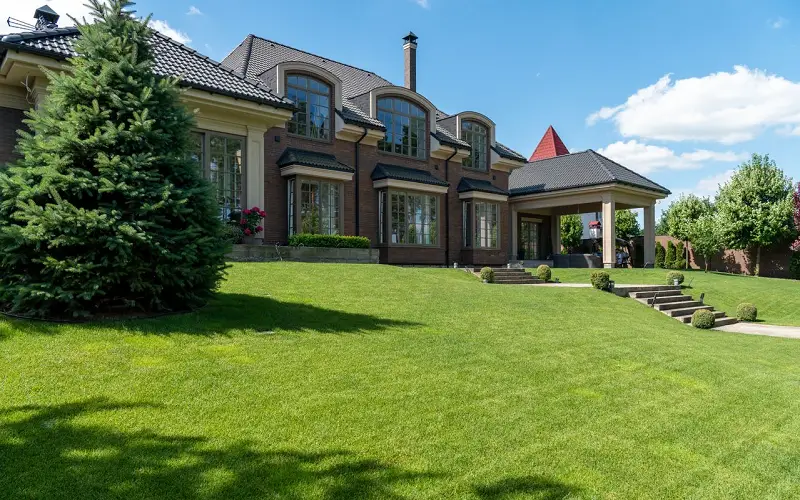
Have you ever looked at a yard and thought everything seemed fine, only to discover a costly problem hiding beneath the grass? In places like Cape Coral, landscaping can add beauty and value to a property, but it can also create serious issues when it is not planned correctly. From water damage to invasive roots, many common landscaping mistakes slowly affect homes, driveways, and foundations before owners even realize what is happening.
Poor Drainage That Sends Water Toward Your Home
Many homeowners focus on plants, flowers, and lawn appearance while overlooking one of the most important parts of landscaping: water management. When rainwater cannot move away from a property properly, it often pools near foundations, sidewalks, and patios. Over time, this moisture can weaken structures and create expensive repair needs.
This issue has become even more relevant as many regions across the United States experience stronger storms and heavier rainfall events. Water that repeatedly collects near a home can seep into crawl spaces, damage foundations, and encourage mold growth. A beautiful landscape loses its appeal quickly when standing water turns into a structural problem.
Improper Grading Around the Property
The slope of a yard plays a major role in protecting a home. Even a small grading mistake can direct thousands of gallons of water toward a structure each year. Many property owners invest in plants and decorative features while failing to address the shape of the land beneath them.
That is why homeowners often seek professional solutions like yard drainage services in Cape Coral when they notice puddles forming after storms or wet spots lingering for days. Proper grading helps water move away from foundations, reducing erosion and protecting the property from long-term moisture damage. It is one of those improvements that rarely earns compliments from neighbors but can save thousands of dollars in future repairs.
Tree Roots That Grow Beyond Control
Trees provide shade, beauty, and environmental benefits, but their roots can become surprisingly destructive. Large roots naturally search for water and nutrients, often extending much farther than people expect. As they grow, they can push against foundations, crack driveways, and damage underground pipes.
The irony is that homeowners often plant trees to increase property value, only to face costly repairs years later. Species selection matters greatly. Fast-growing trees may create shade quickly, but they frequently develop aggressive root systems. Planting trees at safe distances from structures can prevent problems before they begin.
Overgrown Vegetation Near Structures
Shrubs and bushes can make a property feel inviting, but allowing them to grow too close to buildings creates several risks. Dense vegetation traps moisture against walls and roofing materials, creating ideal conditions for mold, mildew, and wood rot.
Overgrown plants can also attract pests. Rodents, insects, and other unwanted visitors often use thick landscaping as cover before finding their way into homes. Regular trimming helps maintain airflow around structures while reducing opportunities for infestations. Landscaping should complement a home, not slowly create pathways for problems.
Erosion That Slowly Changes the Landscape
Erosion rarely happens overnight. Instead, it develops gradually as rainwater carries soil away from vulnerable areas. Sloped properties are especially susceptible, particularly when vegetation coverage is thin or damaged.
Across many parts of the country, changing weather patterns have increased concerns about erosion. Intense rainfall can wash away topsoil, expose roots, and destabilize landscaping features. Retaining walls, ground cover plants, and proper drainage systems help keep soil where it belongs. Ignoring erosion often leads to larger structural concerns down the road.
Mulch Misuse and Hidden Moisture Problems
Mulch is widely recommended because it helps retain moisture and suppresses weeds. However, using too much mulch can create unexpected issues. Thick layers trap excessive moisture around plants and trees, increasing the risk of disease and root decay.
A common mistake involves piling mulch directly against tree trunks, a practice sometimes called “mulch volcanoes.” Despite the dramatic name, the results are not impressive. Excess moisture around the trunk can encourage pests, fungal growth, and bark deterioration. Applying mulch correctly helps plants thrive without creating hidden damage.
Irrigation Systems That Waste Water and Harm Landscapes
Automatic irrigation systems offer convenience, but poorly designed systems can cause significant damage. Sprinklers that deliver too much water often create soggy soil, promote fungal diseases, and weaken plant roots.
Water conservation has become an increasingly important topic nationwide as communities face rising utility costs and resource concerns. Efficient irrigation systems use water only where it is needed and prevent oversaturation. Regular inspections help identify leaks, broken sprinkler heads, and coverage problems before they affect both landscaping and property structures.
Invasive Plants That Create Long-Term Problems
Not every landscaping threat comes from poor maintenance. Some plants become problems simply because they grow too aggressively. Invasive species can spread quickly across a yard, crowding out healthy vegetation and competing for water and nutrients. Their extensive root systems may interfere with drainage patterns, damage hardscape features, and make routine yard maintenance much more difficult.
What starts as an attractive addition can eventually become a costly removal project. Before introducing new plants, homeowners should research how they behave in local conditions and choose native or well-managed alternatives that support the landscape without creating future headaches.
Hardscape Features Installed Without Planning
Patios, walkways, retaining walls, and decorative stone features add visual appeal, but poor installation can create serious issues. Hardscape elements affect how water moves across a property, and mistakes often redirect runoff toward vulnerable areas.
Many homeowners focus on aesthetics without considering long-term functionality. A patio that looks perfect on installation day may contribute to drainage problems during the next major storm. Careful planning ensures that hardscape features work with the landscape rather than against it. The most successful designs balance appearance, durability, and proper water management.
Landscaping often receives attention for its visual impact, yet its influence extends far beyond curb appeal. The condition of a yard affects drainage, structural stability, pest control, and overall property value. Small issues such as poor grading, excessive mulch, or overgrown vegetation can develop into costly repairs when left unaddressed. By approaching landscaping as both an aesthetic and functional investment, homeowners can protect their properties while creating outdoor spaces that remain attractive and resilient for years to come.
