
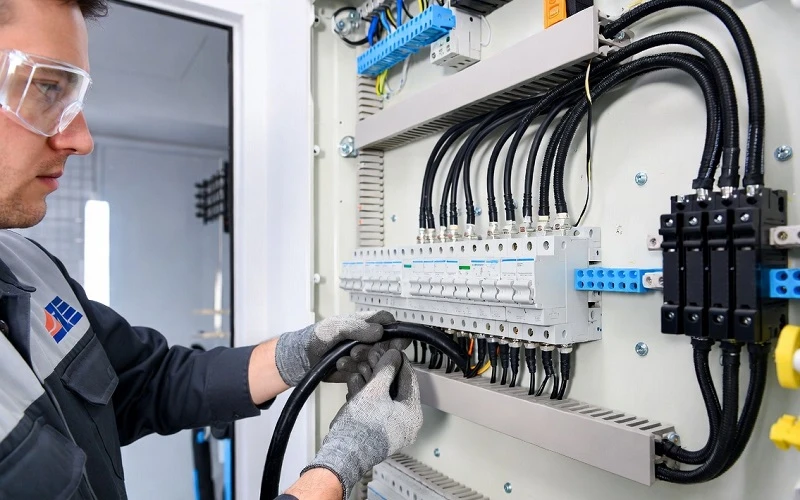
A property’s electrical system depends on more than just the switchboard and circuit breakers. One of its most important components is the consumer mains, the cable that delivers electricity from the network connection to the property’s main switchboard. A consumer mains upgrade may be necessary when an existing electrical system no longer meets current safety standards or is unable to support increased power demands. Although hidden from view, this cable plays a significant role in ensuring a safe and consistent power supply.
As electricity demands continue to increase, many older homes and commercial buildings operate with consumer mains that were not designed for modern energy usage. Appliances such as air conditioners, electric vehicle chargers, induction cooktops, solar systems, and battery storage place greater demands on electrical infrastructure than ever before. When the existing consumer mains cannot safely handle these loads, an upgrade may be required.
What Are Consumer Mains?
Consumer mains are the primary electrical cables that connect the electricity supply to a property’s switchboard. They act as the main pathway through which electricity enters the building before being distributed to lighting, power outlets, and electrical appliances.
Unlike internal wiring, consumer mains are responsible for carrying the property’s total electrical load. Because of this, their size, condition, and capacity directly affect the safety and efficiency of the entire electrical system. If these cables become damaged, deteriorated, or undersized, they may increase the risk of electrical faults, voltage drops, or overheating.
Signs That a Consumer Mains Upgrade May Be Needed
An electrical assessment may identify several reasons why a consumer mains upgrade is necessary. One of the most common reasons is insufficient cable capacity. Older properties were often built when electricity consumption was much lower, making the original consumer mains unsuitable for today’s energy requirements.
Other indicators include:
- Frequent circuit breaker trips.
- Flickering or dimming lights during heavy appliance use.
- Planned switchboard upgrades.
- Installation of solar panels or battery storage.
- Addition of electric vehicle chargers.
- Major home renovations or extensions.
- Deteriorated, damaged, or ageing electrical cables.
In some situations, electricity providers or licensed electricians may also require a consumer mains upgrade to ensure the property complies with current electrical standards before new electrical work can proceed.
Benefits of Upgrading Consumer Mains
A properly sized consumer mains system improves both safety and long-term electrical performance. Upgrading outdated cables helps reduce the likelihood of overloaded circuits and excessive heat buildup while supporting the electrical demands of modern households and businesses.
A consumer mains upgrade can also provide the following:
- Improved electrical safety.
- Greater power capacity for future appliances.
- More reliable electrical performance.
- Better compatibility with switchboard upgrades.
- Support for renewable energy systems.
- Compliance with current electrical regulations.
These improvements help property owners prepare for future electrical needs while reducing the risk of unexpected electrical issues.
Understanding the Upgrade Process
A consumer mains upgrade should always be completed by a qualified electrician who is authorised to perform this type of work. Since the consumer mains connect directly to the electricity network, strict safety procedures and regulatory requirements apply throughout the installation process.
The work generally begins with a site inspection, where the electrician evaluates the existing electrical system and determines whether the current cables are adequate. Factors such as cable size, property load requirements, installation method, and local network regulations are considered before any work begins.
Once the assessment is complete, the old consumer mains are disconnected and replaced with new cables that meet current electrical standards. Depending on the property’s layout, the installation may involve overhead or underground cabling. After installation, the system is tested to verify that it operates safely before the electricity supply is restored.
At this stage, property owners planning electrical improvements can benefit from learning more about a professional consumer mains upgrade service to better understand the requirements, process, and available solutions for their property.
When Should Property Owners Consider an Upgrade?
A consumer mains upgrade is often recommended during major electrical improvements rather than waiting for problems to develop. Planning the upgrade alongside projects such as switchboard replacements, home renovations, or solar installations can reduce future disruptions and help ensure the electrical system is prepared for additional capacity.
Older homes are especially likely to benefit from an inspection because many were built before current electrical demands became standard. Even if no visible issues exist, an assessment may reveal that the existing consumer mains no longer meet present-day requirements.
Commercial properties should also consider periodic inspections, particularly if new equipment or machinery has been installed over time. Increasing electrical demand without upgrading the supply infrastructure may affect system performance and reliability.
Choosing a Qualified Electrician
Consumer mains work requires specialised skills, experience, and licensing. Property owners should always engage electricians who are authorised to perform consumer mains installations and who understand local utility requirements.
An experienced electrician can assess the property’s electrical load, recommend appropriate cable sizing, coordinate with the electricity distributor when necessary, and ensure the completed installation complies with current safety regulations. Professional installation helps minimise risks while ensuring the electrical system remains reliable for years to come.
Conclusion
A consumer mains upgrade is an important investment in the safety, reliability, and future capacity of any property’s electrical system. As modern homes and businesses continue to rely on higher-powered appliances and renewable energy technologies, older consumer mains may no longer provide adequate performance.
Upgrading these essential cables helps improve electrical safety, supports increased power demands, and ensures compliance with current standards. Whether the project is part of a renovation, a switchboard replacement, or preparations for new electrical equipment, assessing the condition of the consumer mains is a practical step toward maintaining a dependable and efficient electrical system.
