
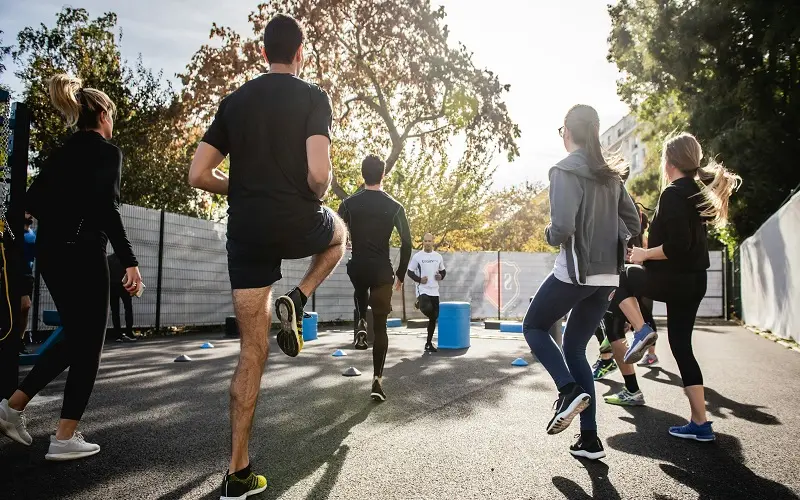
Recreation education transforms communities by encouraging movement, connection, and lifelong healthy habits. It includes programs that welcome people of every age and ability to get involved, stay motivated, and enjoy regular physical activity. Strong recreation education blends fun with purpose. It promotes fitness, reduces stress, and builds social ties that support emotional well-being.
Community leaders use recreation education to design inclusive parks, adaptive sports, and wellness events that invite everyone to participate. When people feel connected through shared activities, they build healthier routines and shape environments where active living becomes the norm rather than the exception.
Building Active Lifestyles Through Recreation Education
Recreation education gives people the tools to embrace active lifestyles by introducing them to a variety of activities. It offers structured opportunities to try new sports, dance classes, or group hikes that spark curiosity and confidence. Teachers and facilitators guide participants through skill-building at all levels, making movement accessible without pressure.
Communities that invest in recreation education see more people choose walking paths, bike trails, and fitness events because they understand how to participate safely and enjoyably. These programs help people discover activities that fit their interests and schedules so that being active becomes natural and part of daily life.
Expanding Professional Expertise With Advanced Training
Recreation education thrives when professionals deepen their skills and knowledge. Many students explore recreational therapy master’s programs online, like the ones offered at Northwest Missouri State University, to gain insight into therapeutic approaches that support healing through leisure and activity.
These programs often include coursework in adaptive sports, strength-based interventions, and the planning of programs for people with disabilities, chronic conditions, or recovery needs. Online training makes it convenient for working professionals to earn advanced credentials while serving their communities.
Educators and therapists who complete graduate studies bring evidence-based strategies to recreation programming that elevate health outcomes and create more inclusive community offerings.
Encouraging Social Connection and Mental Well-Being
Recreation education doesn’t just strengthen bodies; it strengthens social bonds. Group activities create safe spaces for people to meet, laugh, and share experiences. When individuals feel part of community groups, they report lower stress and higher life satisfaction.
Leaders design programs to foster teamwork, resilience, and positive communication. These social benefits ripple outward, strengthening families, neighborhoods, and workplaces. Recreation education helps break isolation by connecting people across generations and backgrounds through shared goals and experiences.
Regular engagement in group recreation builds networks of support that keep people emotionally grounded and connected to others.
Supporting Lifelong Health Through Skill Development
Effective recreation education teaches skills that encourage lifelong health. Instead of simply offering events, educators empower participants to set goals, track progress, and refine techniques. Lessons may cover foundational movement skills, healthy lifestyle habits, and safety awareness.
When people understand how to maintain their fitness, they feel capable and confident. These skills transfer beyond recreation settings into daily choices about nutrition, sleep, and stress management. Facilitators help individuals tailor activities to personal needs so that healthy habits stick. With this foundation, community members sustain active routines that prevent illness and enhance long-term well-being.
Fostering Inclusive Spaces for All Participants
Inclusivity sits at the center of successful recreation education. Leaders design spaces and programs that welcome people of all abilities, ages, and backgrounds. Adaptive equipment, flexible schedules, and varied skill-level options ensure that no one feels left out. Inclusive recreation settings celebrate diversity and remove barriers that often keep people on the sidelines.
When everyone feels welcome, participation increases, and community health improves. These programs cultivate respect, empathy, and shared joy. Recreation educators listen to feedback from participants and adjust offerings to meet evolving needs so that communities grow stronger together.
Supporting Youth Development and Academic Success
Youth benefit significantly from recreation education that blends physical activity with personal growth. Programs for children and teens teach teamwork, discipline, and leadership. Young people learn to set goals, deal with challenges, and celebrate successes with peers.
These experiences build self-esteem and academic confidence. School-based recreation connects classroom learning with active play that energizes young minds and bodies. Communities that prioritize youth recreation help cultivate healthy habits before adulthood.
Coaches and educators guide participants through positive interactions that emphasize respect, responsibility, and resilience. Young people who enjoy active recreation often carry those habits into their futures.
Final Thoughts
Recreation education strengthens communities by promoting active living, fostering connections, and supporting well-being at every stage of life. These programs create accessible opportunities for people to move, grow, and interact in meaningful ways.
Skilled leaders tailor activities that meet diverse needs and encourage lifelong health habits. Recreation education delivers both individual and collective benefits, improving physical fitness, mental health, and community cohesion.
When communities invest in recreation education, they cultivate environments where people feel empowered to participate and thrive. Active and engaged people make resilient communities, and recreation education fuels that transformation.
